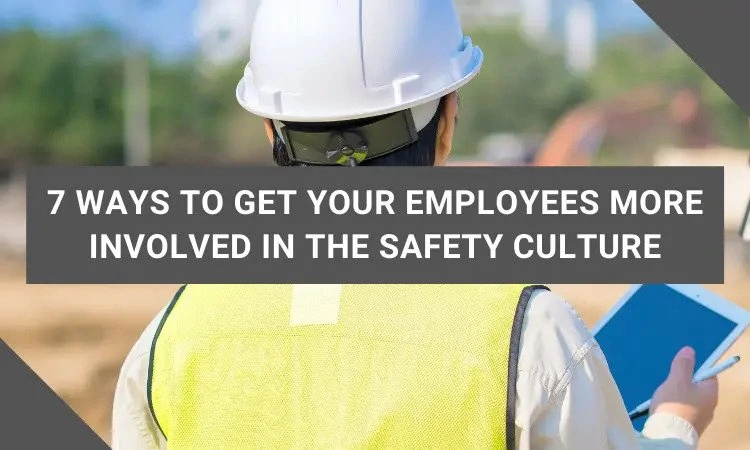
Why Employee Engagement Matters
Safety programs succeed or fail based on employee buy-in. When workers are actively engaged in safety, they look out for themselves and each other, report hazards before they cause injuries, and take ownership of workplace safety.
Here are seven proven strategies to boost employee engagement in your safety culture.
1. Make Reporting Easy and Anonymous
Employees won't report hazards if the process is cumbersome or they fear retaliation.
Implementation tips:
2. Involve Employees in Safety Decisions
People support what they help create. Include frontline workers in safety planning and decision-making.
Opportunities for involvement:
3. Recognize and Reward Safe Behaviors
Positive reinforcement is more effective than punishment for building lasting habits.
Recognition ideas:
4. Communicate Openly and Frequently
Regular, transparent communication keeps safety top of mind and builds trust.
Communication strategies:
5. Provide Meaningful Training
Training should be relevant, engaging, and ongoing—not just a checkbox exercise.
Training best practices:
6. Lead by Example
Employees watch what leaders do, not just what they say. Visible leadership commitment is essential.
Leadership behaviors that matter:
7. Act on Feedback
Nothing kills engagement faster than asking for input and then ignoring it.
Closing the loop:
Measuring Engagement
Track metrics that indicate engagement levels:
The Long-Term Payoff
Building employee engagement takes time and consistent effort, but the payoff is substantial: fewer injuries, better compliance, and a workplace where everyone looks out for each other.
Ready to boost engagement in your safety program? Schedule a demo to see how iReportSource can help.